Drug Offences — The Distinction Between Use, Possession and Trafficking
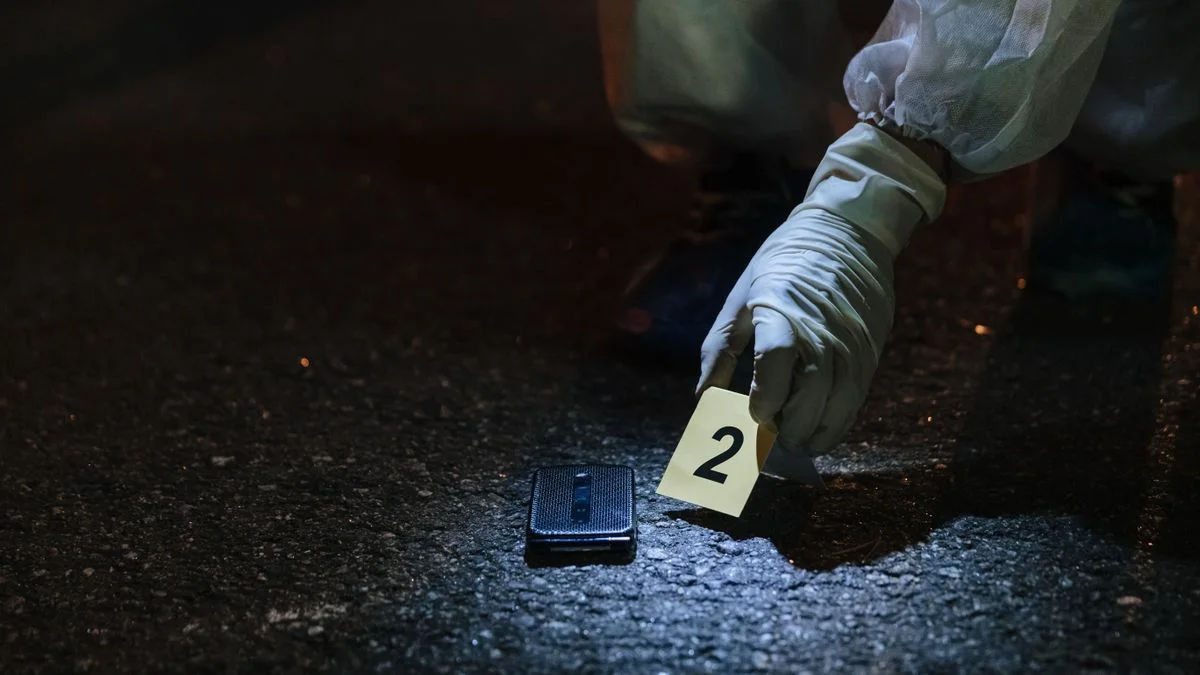
How is the distinction between use, possession and trafficking drawn in drug offences? A comprehensive legal guide to quantity, variety and packaging criteria and probation measures under TCK Arts. 188 and 191.
Drug offences are among the offence types carrying the heaviest sanctions in Turkish criminal law. Article 188 of the Turkish Penal Code No. 5237 (TCK) governs the manufacture of and trafficking in narcotics, while Article 191 governs the purchase, acceptance or possession of narcotics for personal use, and the use of narcotics. The distinction between these two offence types produces substantial differences in sentence: for domestic trafficking under TCK Art. 188/3 the statute prescribes imprisonment “of not less than ten years”, while the use offence under Art. 191 carries imprisonment of two to five years. The sanction for manufacture, importation or exportation under Art. 188/1 and the aggravated forms are assessed separately. This article deals in detail with how the use-trafficking distinction is drawn, the evidential criteria, probation and treatment measures, the provisions on effective remorse, and the problems encountered in practice.
TCK Art. 188: Manufacture of and Trafficking in Narcotics
Manufacturing, importing or exporting narcotics or stimulants without a licence or contrary to a licence falls under TCK Art. 188/1; selling, offering for sale, giving to another, dispatching, transporting, storing, purchasing, accepting or possessing them within the country falls under Art. 188/3. For the substances listed in the statute — heroin, cocaine, morphine, synthetic cannabinoids and their derivatives, synthetic cathinones and their derivatives, synthetic opioids and their derivatives, amphetamines and their derivatives — the sentence is increased by one half; the current list in Art. 188/4-a governs.
Where the offence is committed by three or more persons acting together the sentence is increased by one half; where committed within the framework of the activities of an organisation established to commit offences, it is doubled (Art. 188/5). Where the substance is given or sold to a child, the minimum sentence in Art. 188/3 applies, and where the offence is committed by a member of a profession such as a doctor, pharmacist or health worker, the increase under Art. 188/8 applies separately.
TCK Art. 191: Purchase, Acceptance or Possession of Narcotics for Personal Use
Under TCK Art. 191/1, a person who purchases, accepts or possesses narcotics or stimulants for personal use, or who uses narcotics or stimulants, is punished by imprisonment of two to five years. This offence type carries far lighter sanctions than the trafficking offence and adopts a treatment-oriented approach. Under TCK Art. 191/2, in an investigation opened in respect of this offence a decision is given deferring the bringing of a public prosecution against the suspect for five years. During that period a probation measure is applied to the suspect. Deferral of the bringing of a public prosecution is a rule specific to the use offence and does not apply to the trafficking offence.
A further purchase, acceptance, possession or use of narcotics or stimulants for personal use during the deferral period is a ground for bringing the public prosecution. Where the probation obligations or the requirements of the treatment applied are breached, however, TCK Art. 191/4-a requires that the person persist in failing to comply.
In enacting the use offence the legislature's fundamental aim was that drug addicts should be treated and reintegrated into society rather than punished. This approach is consistent with modern criminal law thinking, and similar tendencies are seen in the drug policies of many countries.
How Is the Use-Trafficking Distinction Drawn? Court of Cassation Criteria
The statute lays down no fixed threshold in grams or “annual consumption quantity” for personal use. The type and quantity of the substance, a large number of small packets, precision scales or packaging materials, the place of concealment, communications and money movements, the person's pattern of use, their financial circumstances and the manner of apprehension are all assessed together. None of these is of itself an automatic presumption of trafficking; doubt is construed in the defendant's favour.
| Assessment criterion | Matter taken into account in the examination |
|---|---|
| Type and quantity of the substance | The statute lays down no fixed threshold in grams or annual consumption; quantity is assessed together with the other evidence. |
| Manner of packaging | A large number of small packets ready for sale may support an allegation of trafficking; it is not of itself a conclusive presumption. |
| Tools and equipment | The purpose of precision scales, empty packets or similar materials and their connection with the incident are investigated. |
| Place of concealment and of seizure | Whether the substance was found in a place consistent with the person's pattern of use is assessed. |
| Communications and money movements | Messages, calls, money transfers and any alleged customer relationship are examined as a whole. |
| Facts indicating personal use | The pattern of use, health records, financial circumstances and the manner of apprehension are considered together. |
| Principle of assessment | No criterion is of itself an automatic presumption of trafficking; doubt that cannot be dispelled is construed in the defendant's favour. |
Probation and Treatment Measures (TCK Art. 191)
In cases of purchase, acceptance or possession for personal use, or of use, the public prosecutor defers the bringing of a public prosecution for five years. Probation is applied to the suspect for at least one year; this period may be extended by further periods of six months up to a maximum of two additional years. Treatment is applied where necessary. In the event of a breach of the obligations or of the requirements of treatment, the requirement of persistence in Art. 191/4-a applies; where the person again obtains or uses the substance, the separate grounds of breach in Art. 191/4-b and c apply. Obtaining or using the substance again for personal use during the deferral period is treated as a ground of breach and does not form the subject of a separate investigation or prosecution. Where, in the course of proceedings for a trafficking offence, it emerges that the act was solely for the purpose of personal use, the special procedure in Art. 191 applies.
Effective Remorse in Drug Offences (TCK Art. 192)
A person who has taken part in trafficking and who, before the official authorities become aware of the matter, discloses the other participants and the place where the substance is concealed or manufactured, thereby enabling their apprehension or seizure, is not punished (Art. 192/1). A user who, before the authorities become aware of the matter, discloses from whom, where and when they obtained the substance, thereby facilitating apprehension or seizure, is not punished (Art. 192/2). Voluntary assistance after the authorities have become aware of the matter secures a reduction of between one quarter and one half of the sentence (Art. 192/3). Where a user applies to a health institution before an investigation has begun, the conditions in Art. 192/4 apply.
| Situation of effective remorse | Legal basis | Statutory consequence |
|---|---|---|
| A participant in trafficking who, before the authorities become aware, discloses the participants and the location of the substance, enabling apprehension or seizure | TCK Art. 192/1 | Where the conditions are met, no sentence is imposed. |
| Situation of effective remorse | Legal basis | Statutory consequence |
|---|---|---|
| A user who, before the authorities become aware, discloses from whom, where and when the substance was obtained, facilitating apprehension or seizure | TCK Art. 192/2 | Where the conditions are met, no sentence is imposed. |
| Voluntary assistance, after the authorities have become aware, in uncovering the offence and apprehending the offender or participants | TCK Art. 192/3 | Where the conditions are met, the sentence is reduced by between one quarter and one half. |
| A user applying to a health institution and requesting treatment before an investigation has begun | TCK Art. 192/4 | On the statutory conditions, no sentence is imposed. |
Search and Collection of Evidence in Drug Offences
A search of a dwelling, workplace or enclosed area not open to the public is as a rule carried out by judicial order or, where delay would be prejudicial, on the written order of the public prosecutor. A senior police officer cannot issue a search order for such places (CMK Art. 119). An unlawful search leads to the exclusion of the evidence; the case is not automatically “dismissed” — an acquittal or another decision is given according to the remaining lawful evidence.
Detention and Judicial Control in Drug Offences
The offence of drug trafficking (TCK Art. 188) is among the catalogue offences listed in CMK Art. 100/3. Accordingly, where there is strong suspicion of the offence, a ground for detention may be presumed in drug trafficking cases. That presumption is nevertheless rebuttable according to the circumstances of the particular case, and detention is not automatic.
The offence of possessing narcotics for personal use or of using them (TCK Art. 191) is not among the catalogue offences in CMK Art. 100/3. That said, detention is not categorically prohibited by statute, given the maximum sentence under Art. 191. Detention may be applied only where concrete evidence of strong suspicion, a ground for detention under CMK Art. 100, proportionality, and the reasons why judicial control would be insufficient are all established in concrete terms. The risk of flight or of interference with evidence is assessed on the file; it cannot be presumed to exist or not to exist by reference to the offence type. Within the scope of judicial control, a ban on leaving the country, a requirement to report and the other measures listed in the statute may be applied.
Organisational Involvement in Drug Offences
The commission of the offence by three or more persons together may suffice for the increase of one half under Art. 188/5; the activity of an organisation, by contrast, requires the conditions of continuity, hierarchy, membership numbers and purpose under TCK Art. 220, and the increase is twofold. Not every incident involving multiple offenders amounts to an organisation.
Grounds for Increase and Reduction of Sentence in Drug Offences
Various grounds increase and reduce the sentence in drug offences. These grounds play an important role in individualising the sentence.
The grounds that increase the sentence or raise the minimum include: the substance being one of the types listed in TCK Art. 188/4-a; the offence being committed within the framework of an organisation's activities (Art. 188/5); the offence being committed near the places listed in Art. 188/4-b; the person to whom the narcotic or stimulant was given or sold being a child; and the offence being committed by a member of a profession listed in Art. 188/8, such as a physician, pharmacist or chemist. The use of a person as an instrument in the commission of the offence is assessed separately under the conditions of TCK Art. 37/2; the offender being a child is not in itself an independent general ground of increase under Art. 188.
The grounds that reduce the sentence include effective remorse (TCK Art. 192), attempt (TCK Art. 35), minority (TCK Art. 31), mental illness (TCK Art. 32) and discretionary mitigation (TCK Art. 62). These grounds of reduction may be applied together or separately according to the circumstances of the particular case.
Problems Encountered in Practice
For new psychoactive substances, the scope and listing mechanism by presidential decision under Law No. 2313 and forensic toxicological identification apply; it cannot be said that a legal vacuum arises with every new substance. The net weight of the substance, its active constituent, the chain of custody of samples and any contradictions between reports must be scrutinised. In drawing the trafficking-use distinction, all the evidence in the case, and not fixed tables of grams, governs.
Conclusion and Assessment
Drug offences are among the offence types carrying the heaviest sanctions in Turkish criminal law. The distinction between use and trafficking radically alters the sentence the defendant will receive, and drawing it correctly is of vital importance for the right to a fair trial. Criteria such as quantity, variety, packaging, communication records and financial circumstances must be assessed as a whole, and each case must be considered on its own facts. In the use offence the treatment- and probation-oriented approach is an important rule pursuing rehabilitation rather than punishment, and the effective application of these measures is of considerable importance. The provisions on effective remorse serve as a critical tool in uncovering drug offences and dismantling criminal organisations. Legal notice: This article has been prepared for general information purposes and does not take the place of legal advice. If you are facing a specific legal problem concerning drug offences you are advised to consult an attorney. Information may differ in line with legislative changes and current case law.
Frequently Asked Questions
Is there a fixed threshold in grams for personal use?
No.
Are commission by three persons and an organisation the same thing?
No; commission together carries an increase of one half, an organisation's activity a twofold increase.
Can a senior police officer order a search of a dwelling?
No; a judicial order, or the prosecutor's written order where delay would be prejudicial, is required.
Does unlawful evidence lead to dismissal of the case?
The evidence is excluded; the decision is given on the remaining evidence.
This article was prepared by Av. Mustafa MALGIR.