Building in Protected Sites — Permits, Restrictions and Compensation
A comprehensive guide to archaeological site grades, the current natural site categories, the conservation development plan, building permits and property rights remedies under Law No. 2863.
Protected sites are areas placed under a special conservation regime in order to protect cultural and natural assets. Governed by the Law on the Protection of Cultural and Natural Assets No. 2863, protected sites are an important legal concept directly affecting property rights because of the building restrictions they entail. This article examines comprehensively the concept of a protected site, the site grades, conservation development plans, building restrictions and compensation claims arising from the right to property.
What Is a Protected Site and What Is Its Legal Basis?
A protected site is an area that is the product of various civilisations from prehistory to the present day and, combined with the topography, forms a distinctive landscape, or where important historical events took place, together with regions of nature requiring protection. Under Art. 3 of Law No. 2863, protected sites are classified as urban, archaeological, natural and historic sites.
For sites of the character of cultural assets, the regional conservation boards apply; for natural sites, the mechanisms of the competent Ministry, commissions and presidential decisions under environmental legislation. Upon designation, transitional conservation principles and conditions of use may be laid down. Whether a permit may be granted until a plan is prepared is determined by the type of site, the category, the principle decisions and the transitional conditions; there is no single absolute prohibition covering all interventions.
The legal bases for protected sites are: the Law on the Protection of Cultural and Natural Assets No. 2863; Zoning Law No. 3194 (its provisions on conservation development plans); the Regulation on the Preparation, Presentation, Implementation and Supervision of Conservation Development Plans and Environmental Design Projects and on Their Authors; and Art. 63 of the Constitution (protection of historical, cultural and natural assets).
Site Grades and Building Conditions
Archaeological sites are classified as grades I, II and III; natural sites are classified as “strictly protected sensitive areas”, “qualified natural conservation areas” and “sustainable conservation and controlled use areas”. Urban, historic and mixed sites are subject to their own principle decisions and conservation development plan provisions. These classes are not interchangeable; the possibility of building is determined by the type of site, the grade or category, the principle decisions of the High Council for Conservation and the decision relating to the area.
In grade I archaeological sites conservation is the rule and interventions other than scientific work are very limited. Nor can it be said in grade II and III areas that “limited new construction is always permitted”; the board's decision, the transitional conditions and the conservation development plan are decisive. Permitted activities in natural sites are examined separately according to the relevant presidential decision, the Ministry's rules and the category of the area.
What Is a Conservation Development Plan and How Is It Prepared?
A conservation development plan is prepared by, or on behalf of, the relevant administration; it is examined by the regional conservation board, which either approves it or requests amendments. An approved plan is then approved and published by the competent administration under its special procedure. The board is not the sole body completing the entire plan approval process in place of the municipality or other competent administration. Until a plan is prepared, transitional conservation principles and conditions of use may be applied under Art. 17 of Law No. 2863; the generalisation that “nothing can be done without a plan” is incorrect.
The Building Permit Process in Protected Sites
The permit process varies according to the type of site and the competent conservation authority. The general order of checks is as follows:
1. The type, grade or category of the area and the transitional conditions are established from the land registry record and the site decision.
2. If there is a conservation development plan, the project is prepared under its provisions; if not, under the transitional conservation principles and conditions of use in force.
3. The project is submitted for examination to the board, commission or Ministry competent under the cultural or natural asset regime.
4. Once the necessary conservation decision or favourable opinion has been obtained, the Zoning Law process is carried out before the administration competent to issue the permit.
5. Implementation is supervised for conformity with the approved project and the conservation decisions; in the event of non-conformity, the procedures in Laws Nos. 2863 and 3194 apply on their own conditions.
The Effect of Designation on the Right to Property
A site decision does not transfer ownership without expropriation; it restricts use and building in the public interest. If the intensity and duration of the restriction become disproportionate, annulment, a full remedy action, de facto expropriation, or the exchange and transfer mechanisms in the statute may come into play. Not every designation automatically gives rise to payment of the full value of the immovable through the ordinary courts; a distinction is drawn between de facto and legal interference and as to jurisdiction.
Compensation and Valuation in Protected Sites
The expropriation and exchange provisions of Law No. 2863 apply subject to whether the immovable is a cultural asset requiring protection annotated in the land register, an absolute building prohibition, and budget and programme conditions. Article 17 does not give every owner a direct and unconditional right of exchange. The transfer of development rights entered Turkish law with the 2024–2025 rules; whether a parcel in a protected site meets the conditions in Zoning Law Art. 13 and Regulation Art. 38/A is examined separately.
Objection to a Site Decision and Action for Annulment
An administrative application may be made against a board decision and, according to the nature of the decision, an action for annulment may be brought before the administrative court. The period cannot be reduced to a fixed sixty days running from individual service alone; the display, service, knowledge, application and implementing act are assessed under İYUK Arts. 7 and 11. Bringing an action does not of itself suspend the decision; a stay of execution requires manifest unlawfulness and harm difficult or impossible to remedy together.
Restoration of Registered Buildings in Protected Sites
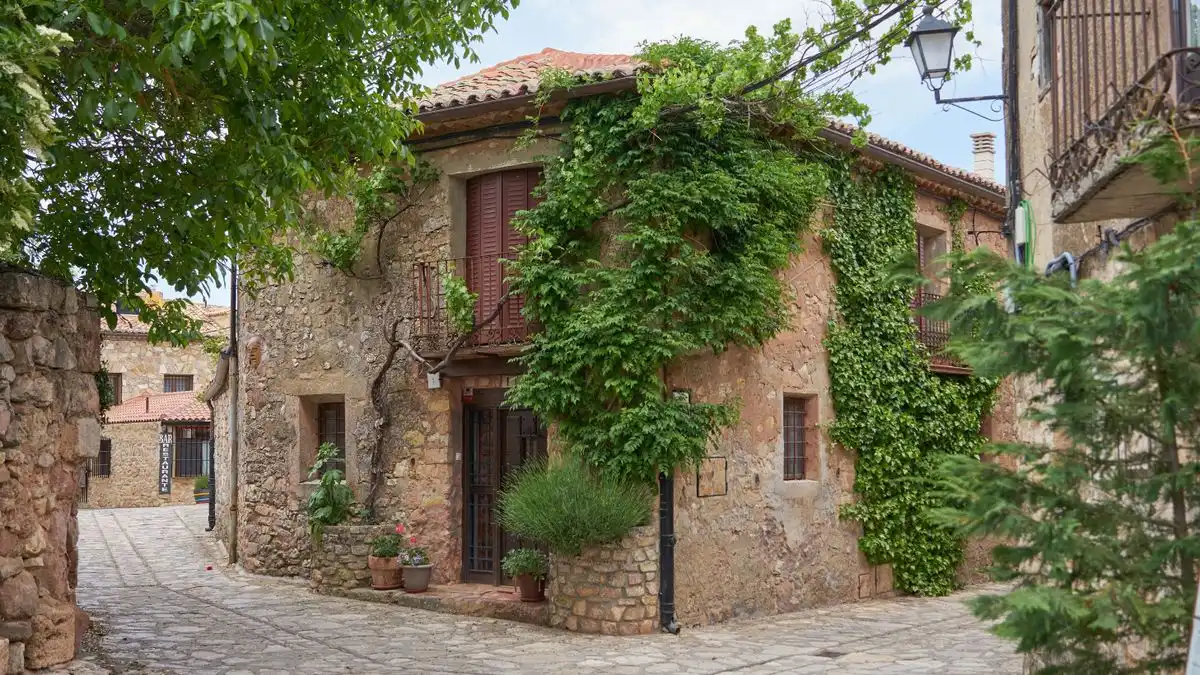
The restoration of registered buildings in protected sites is subject to special rules. The permission of the Regional Conservation Board is required for repair, restoration and alteration works on registered buildings. Alterations made without permission are subject to criminal and administrative sanctions.
In preparing a restoration project, preserving the building's original characteristics is essential. Removing elements added later that spoil its original fabric, strengthening the load-bearing system and making the building functional are the fundamental aims of the restoration process. State support may also be available for the restoration of registered buildings. Under Law No. 2863, financial support may be provided by the state for the conservation and restoration of registered immovable cultural assets. That support may take the form of assistance in preparing a project, a restoration loan or a direct financial contribution.
Protected Sites in Council of State and ECtHR Decisions
In the judicial review of a site decision, competence, form, the scientific and technical basis, the conservation purpose, proportionality and the burden placed on the right to property are assessed together on the particular file. Neither every designation of a particular type of site nor every building prohibition is of itself lawful or unlawful; the inventory, the board's report, the characteristics of the area, the conservation grade and the plan decisions are examined.
Article 1 of Protocol No. 1 to the ECHR requires a fair balance to be struck between the public interest and the right to property. Long-term restriction, the owner's ability to benefit from the immovable, the available application and compensation mechanisms, and whether a special and excessive burden has been imposed on the individual are assessed together; there is no automatic outcome of payment of full market value on every designation.
Unauthorised Construction in Protected Sites and Its Sanctions
Acts such as unauthorised construction and physical intervention, damaging a cultural asset and unauthorised excavation are governed with different elements and sanctions in Art. 65 et seq. of Law No. 2863. A single sentence referring to “imprisonment and a judicial fine” does not describe all these acts. Zoning Law Arts. 32–42 and, where the conditions are met, TCK Art. 184 may also apply; in the same case the concurrence of offences and the administrative sanction are assessed separately.
Frequently Asked Questions
Are grades I–II–III used for natural sites?
The current natural site categories are strictly protected sensitive areas, qualified natural conservation areas and sustainable conservation/controlled use areas.
Can nothing be done without a plan?
Transitional conservation principles and conditions of use may be applied.
Is every immovable in a protected site exempt from property tax?
No. Art. 21 of Law No. 2863 requires a cultural asset requiring protection annotated in the land register, and applies rates of restriction and exceptions.
Is a transfer of development rights possible in a protected site?
Only where the conditions in Zoning Law Art. 13, Regulation Art. 38/A and the site conservation regime are met together.
This article was prepared by Av. Mehmet Serhat MALGIR.